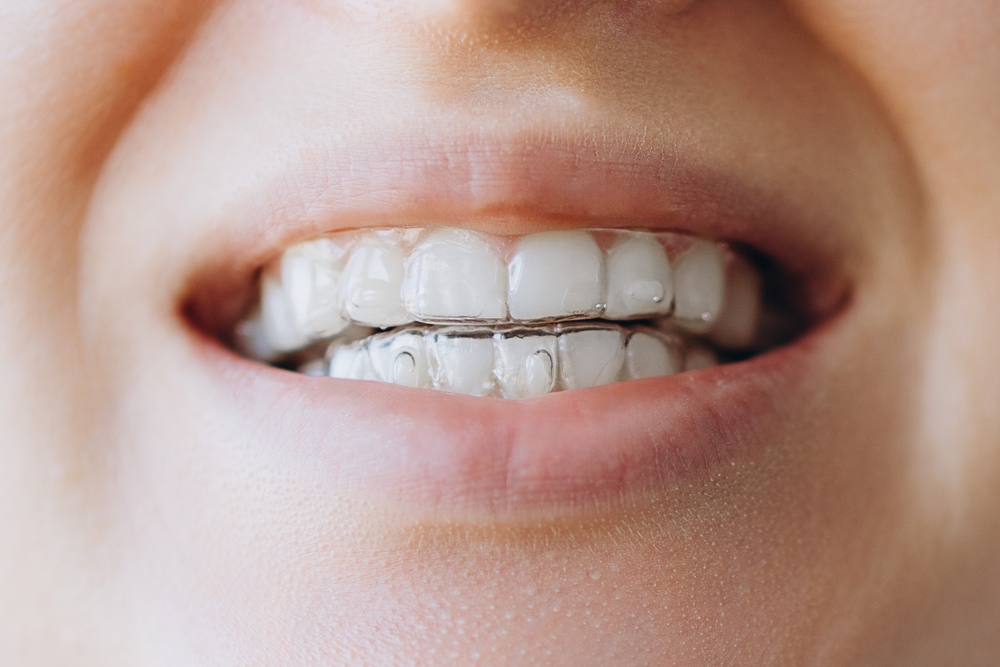
Want straight teeth but don’t want to wait too long for results? Many people ask a dentist in South Edmonton if anything works faster than Invisalign. The answer depends on your teeth, your bite, and how much correction is needed. This quick guide explains how different options compare when speed matters.
Why Treatment Speed Matters in Teeth Straightening
Having straight teeth is Not Just Cosmetic. It also enhances chewing, speaking, and oral health. Speedy treatment can mean
- Aligners or braces are worn for less time.
- Reduced dental appointments.
- Improvement in confidence earlier.
- Lower chance of plaque buildup while being treated.
Patients seeking Invisalign in South Edmonton find it easier to decide on starting the care based on the speed difference.
How Invisalign Straightens Teeth Over Time
Invisalign uses clear aligners that gently move teeth into position. Each aligner is worn for about one to two weeks before switching to the next.
In general, Invisalign treatment time depends on:
- Tooth crowding or spacing
- Bite problems
- Patient consistency with wear time
Most Invisalign cases take 12 to 18 months, though mild cases may finish sooner.
Patients often ask a dentist near you if Invisalign is the fastest option available. The answer is not always yes.
Are Braces Faster Than Invisalign?
This is one of the most searched questions in orthodontics. When comparing braces to Invisalign, the answer depends on case complexity.
Braces can work faster because:
- They apply constant pressure.
- They do not rely on patient compliance.
- They are effective for complex tooth movements.
In moderate to severe cases, braces may move teeth more efficiently than clear aligners.
Do Metal Braces Work Faster Than Invisalign?
Many people want to know whether metal braces work faster than Invisalign in many such cases. Metal braces tend to work faster.
- Extreme crowding.
- Spacious bite adjustments.
- Teeth that are overlapping or rotated.
Having fixed braces means they work. If incorrect instructions are not followed, Invisalign can slow down the progress as aligners must be worn for about 20-22 hours per day.
Invisalign vs. Braces: Which Is Faster Overall?
When comparing Invisalign vs braces, which is faster? Here is a simple breakdown:
|
Treatment Type |
Speed for Mild Cases |
Speed for Complex Cases |
| Invisalign | Fast | Slower |
| Metal Braces | Moderate | Fast |
| Ceramic Braces | Moderate | Fast |
Invisalign may be quicker for small spacing or mild crowding, while braces often finish sooner for complex problems.
Spark Aligners vs Invisalign: Is One Faster?
In cases when time is of the essence, patients will also ask about Spark aligners vs Invisalign. Spark Aligners, while similar to clear aligners, use different materials.
Key differences include:
- Spark aligners are more transparent and less stained.
- In most instances, the speed of tooth motion is similar.
- Treatment planning is more important than brand name.
As both systems rely on patient wear time, speed differences are often marginal.
Using Invisalign or Spark Aligners will not guarantee faster results through improper usage.
What Makes Teeth Straightening Faster?
No matter the system used, certain factors help speed up treatment:
- Wearing aligners as instructed
- Attending regular checkups
- Maintaining good oral hygiene
- Avoiding skipped appointments
- Following the dentist’s recommendations
A skilled treatment plan is often more important than the type of braces or aligners chosen.
Which Option Is Fastest for Different Patients?
The fastest option varies by dental condition:
- Mild spacing – Clear aligners
- Moderate crowding – Clear aligners or braces
- Severe bite issues – Metal braces
- Teen patients – Braces may be faster.
- Adults seeking flexibility – Clear aligners
A consultation helps determine which method works best for your needs.
How Dentists Decide the Fastest Option
Dental assessments:
- Setting of teeth
- Jaw Position
- Bone assistance
- Living patient
Just because a treatment works quickly for one person does not make it right for another. Speed should always be tempered by safety and consequences.
Ready to Find the Right Path to a Straighter Smile?
It wouldn’t be right to think that one system is faster than the other when it comes to teeth-straightening. It is actually about selecting the right system for your teeth, goals, and lifestyle. With the right treatment, patients can safely get straight smiles. Contact Jagare Ridge Dental for a consultation to discuss your treatment options and get a plan tailored to ensure your comfort, confidence, and results without delay.
FAQs
- Can Invisalign work faster with fewer aligners?
Yes. When tooth movement is minimal, fewer aligners are needed to guide the teeth into place. This often means the treatment plan is shorter because each aligner makes a small, planned change. Mild spacing or crowding cases usually fall into this category, allowing results to appear sooner. - Do braces move teeth more predictably?
Yes. Braces stay fixed on the teeth, which allows dentists to guide tooth movement very precisely. Because they work around the clock and do not depend on being removed or worn correctly, braces can reduce unexpected delays, especially in more complex alignment cases. - Does wearing aligners for longer hours help?
Absolutely, it plays a significant role. To get the best results from your aligners, wear them as recommended each day. When worn consistently, they help your teeth move in the intended manner, reduce the necessity of repeat aligners, and keep the timelines on track. - Are faster treatments the best?
Though shorter treatment time sounds attractive, teeth need to move at a safe speed to protect roots and surrounding bone. When you hurry through a process, discomfort may arise. A balanced approach emphasizes steady progress without harming the health of the teeth and gums.