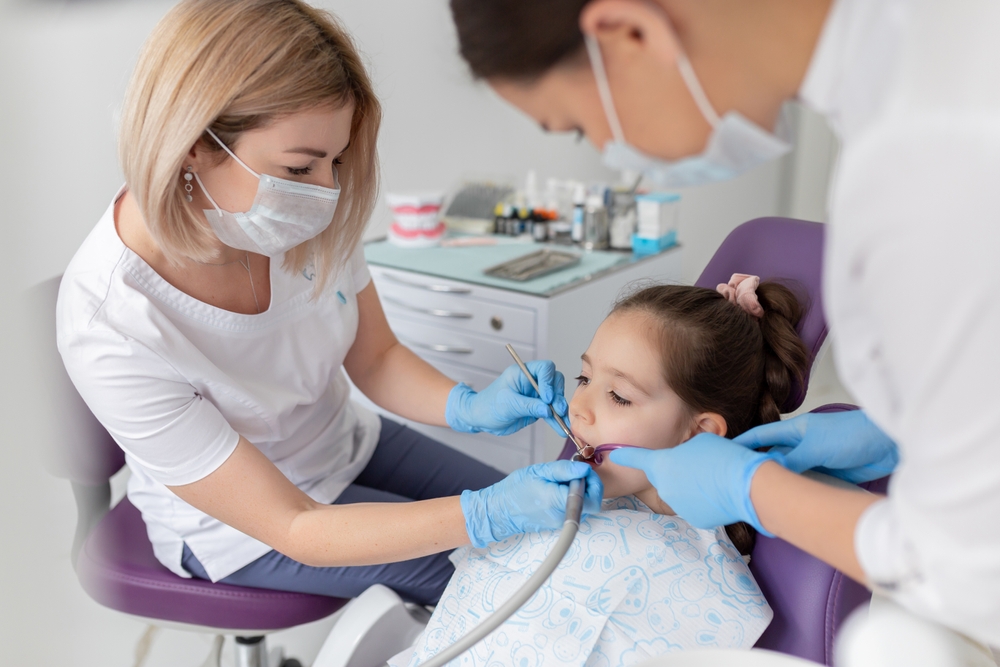
Are you worried about your child’s teeth with school snacks? Decay often begins early in life, especially in difficult-to-brush back teeth. Many parents want simple ways to prevent tooth decay. Taking your child to a dentist near you can help the child learn about preventive care, which can keep the smile healthy.
Dental sealants are one of the easiest and most effective ways to lower the risk of cavities in children and teens. This guide explains what dental sealants are, how they work, and why they are often recommended during childhood and teenage years.
What Are Dental Sealants and How Do They Work?
Dental sealants are thin, clear protective coatings placed on the chewing surfaces of back teeth. These teeth have deep grooves where food and bacteria can hide.
Sealants work by:
- Sealing off deep grooves where cavities often start
- Making teeth easier to clean with regular brushing
- Creating a barrier against plaque and sugar
Dental sealants in South Edmonton are commonly recommended soon after permanent molars come in, usually between ages 6 and 12.
Why Are Children and Teens More at Risk for Cavities?
Children and teens can get cavities more easily because:
- Back teeth are harder to clean thoroughly.
- They often eat sugary snacks and drink sweet drinks.
- Brushing may not happen every day or may not be done properly.
Protecting kids’ molars early helps prevent decay during the years when teeth are still developing and habits are forming.
When Should a Child Get Dental Sealants?
Dental sealants are usually placed when:
- First permanent molars appear (around age 6)
- Second molars come in (around age 12)
A dentist in South Edmonton may also suggest sealants for teens or even adults who have deep grooves and no existing decay.
What Happens During the Sealant Procedure?
The process is quick, painless, and stress-free. No needles or drilling are involved.
Steps usually include:
- Cleaning the tooth surface
- Drying the tooth
- Applying the sealant material
- Hardening the sealant with a special light
Children can eat and drink normally right after the visit.
What Are the Benefits of Dental Sealants for Kids?
The benefits of dental sealants go beyond cavity prevention. They also:
- Reduce the need for fillings later.
- Protect teeth during cavity-prone years.
- Save time and cost on future dental care.
- Support better long-term oral health.
Sealants can lower the risk of decay in back teeth by up to 80% when combined with good oral hygiene.
Fluoride Varnish vs Dental Sealants: What’s the Difference?
Both fluoride varnish and sealants help protect teeth, but they work in different ways.
Fluoride varnish:
- Strengthens tooth enamel
- Helps protect all tooth surfaces
- Needs regular reapplication
Dental sealants:
- Cover chewing surfaces only.
- Block food and bacteria from grooves.
- It can last several years with proper care.
Many dental plans recommend using both for full protection.
How Can Parents Support Sealants at Home?
Sealants work best when they are used with simple daily care:
- Please help your child brush their teeth twice a day.
- Give fewer sugary snacks and drinks.
- Take your child for regular dental checkups.
- Teach your child how to brush properly.
Sealants protect teeth, but daily care keeps the whole mouth healthy.
Give Your Child’s Smile a Strong Start – Visit Today!
Want to protect your child’s teeth now and avoid bigger problems later? Dental sealants are an easy way to help keep young teeth safe from cavities for years to come. Book a visit with Jagare Ridge Dental to learn more about preventive care and support your child’s healthy, happy smile.
FAQs
- Do sealants replace brushing and flossing?
No. Sealants add protection but do not replace daily oral hygiene. - Can sealants be placed on baby teeth?
In some cases, yes, especially if baby teeth have deep grooves. - Do sealants hurt?
No. The process is painless and comfortable for children. - Can sealants fall off?
They can wear down over time, which is why regular checkups are important.